Everything You Need to Know About Gastric Sleeve Surgery
Gastric Sleeve Surgery in Tehran (Sleeve Gastrectomy), performed under the expert supervision of Dr. Nariman Mehrnia, a premier bariatric fellowship specialist, stands as one of the most effective weight-loss interventions for individuals struggling with morbid obesity. By reducing the stomach’s capacity, this procedure enables patients to achieve satiety more rapidly, thereby decreasing their daily caloric intake. Utilizing advanced laparoscopic techniques to remove a portion of the stomach, this surgery not only facilitates significant weight loss but also aids in the remission of obesity-related comorbidities, such as Type 2 diabetes and hypertension.
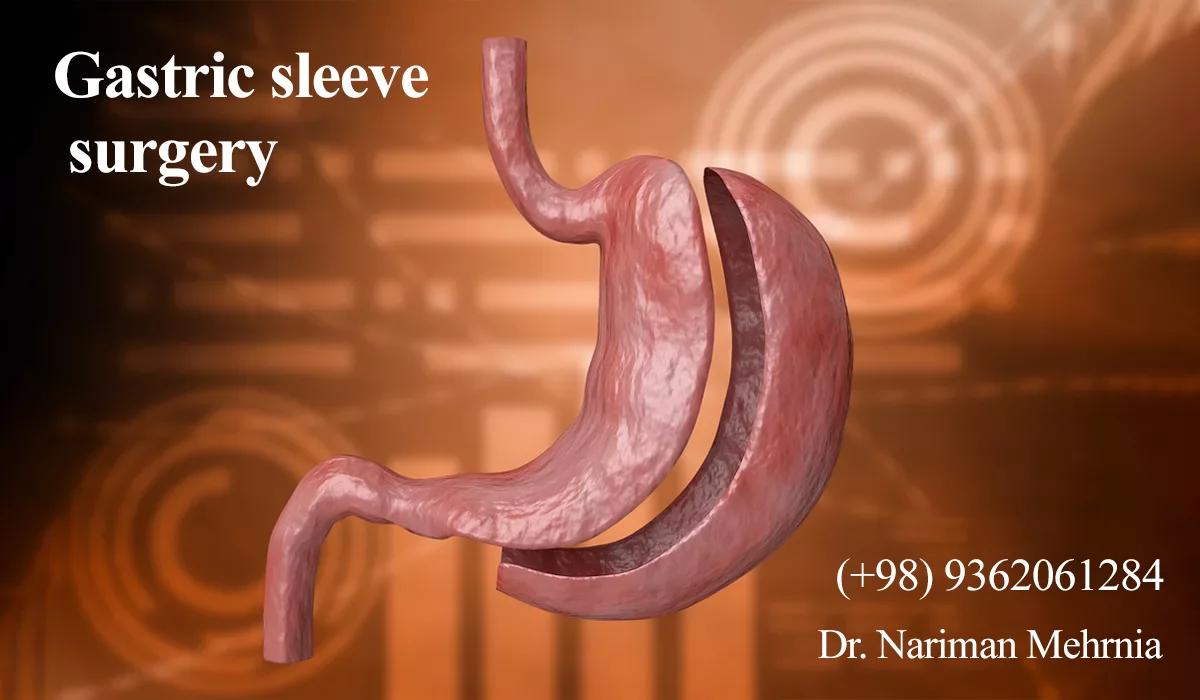
During this procedure, a substantial portion of the stomach is removed, leaving behind a narrow, sleeve-shaped section. This reduction in gastric volume ensures early satiety and a subsequent decrease in calorie consumption. Gastric surgery serves as an efficient, long-term solution for those for whom non-surgical weight loss methods have proven ineffective
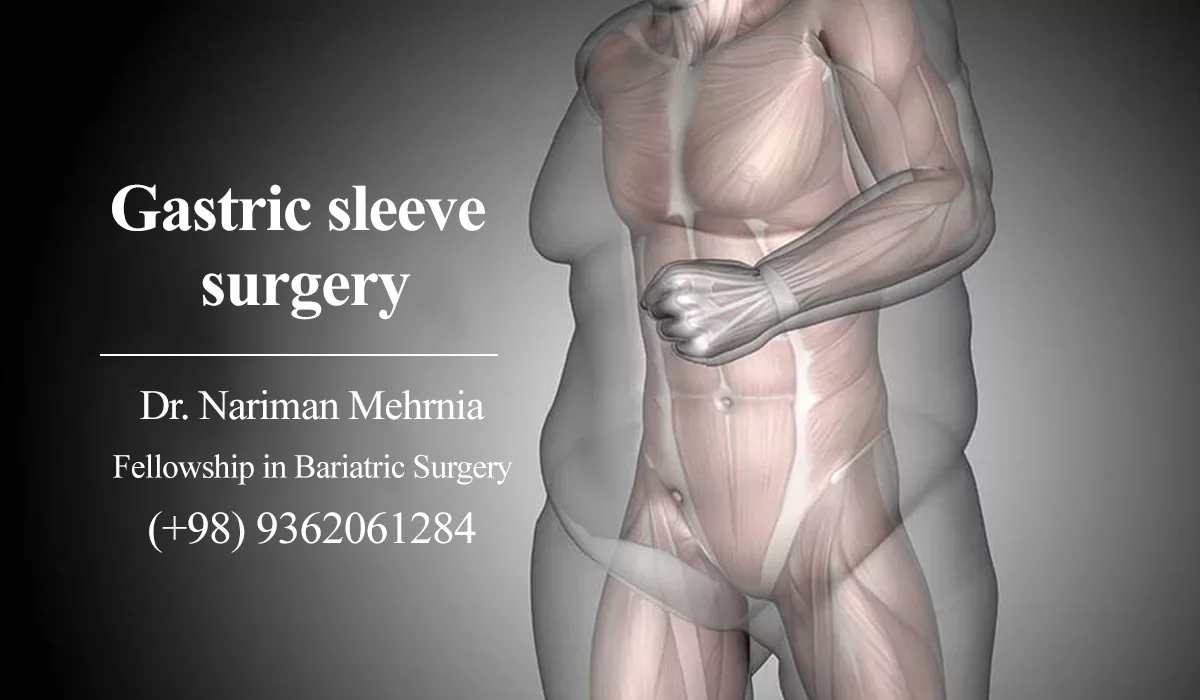
The Gastric Sleeve Procedure in Tehran with Dr. Nariman Mehrnia
The gold standard for gastric sleeve surgery, endorsed by prestigious bariatric centers, is the laparoscopic method. While this surgery was historically performed through “open” procedures, that approach has since become obsolete due to its high complication rate and inherent difficulty. In recent years, robotic surgery has also emerged as a viable option for this procedure, yielding favorable results in terms of both operative duration and clinical outcomes. However, due to high costs and limited infrastructure, robotic surgery is not yet widely practiced in our country. Currently, gastric sleeve surgery remains one of the most prevalent weight-loss methods, sought after by many for its profound efficacy and remarkable results.
General Stages of Gastric Sleeve Surgery
Patient Preparation
Prior to the procedure, the patient undergoes comprehensive diagnostic testing to evaluate their overall health and anesthetic viability. It is imperative that the patient provides a thorough medical history, including pre-existing conditions, previous surgeries, and current medications. On the day of the operation, the patient must be in a fasting state and refrain from taking specific medications as instructed.
Anesthesia
Once the patient is cleared for surgery, they are placed under general anesthesia. A specialized anesthesiologist is present throughout the procedure to ensure optimal and safe sedation.
Creating Incisions
The surgeon makes several small incisions, approximately one to two centimeters in length, in the abdominal area.
Insertion of Laparoscopic Instruments
The surgeon introduces carbon dioxide gas into the abdomen to create operative space, allowing for the insertion of specialized equipment. A laparoscope—a small, high-definition camera—is inserted to visualize the internal environment, followed by the surgical instruments through the designated ports.
Resection of the Gastric Volume
Guided by the camera, the surgeon proceeds to excise a significant portion of the stomach. In a gastric sleeve procedure, approximately 75 to 80 percent of the stomach volume is removed. This resection includes the section responsible for secreting hunger-stimulating hormones. Consequently, this dual-action approach significantly diminishes the sensation of hunger while drastically reducing the capacity for food intake.
Gastric Closure
Following the excision and removal of the stomach portion, the remaining edges are meticulously joined using surgical staples, forming a narrow, tube-like structure (the “sleeve”).
Closing the Incisions
The initial incisions are closed and sutured. With the precision and expertise of a skilled surgeon, these incisions remain minimal, requiring few sutures and leaving negligible scarring.
Laparoscopic Gastric Sleeve Surgery in Tehran
In this minimally invasive approach, Dr. Nariman Mehrnia, a premier gastric sleeve surgeon in Tehran, utilizes specialized micro-instruments and laparoscopic visualization to gain direct access to the abdominal cavity. He resects a substantial portion of the stomach (75-80%) and shapes the remainder into a slender, tubular sleeve.
For primary patients, the duration of this laparoscopic procedure typically ranges from 45 minutes to one hour. The process involves five small abdominal incisions and the placement of trocars to facilitate the entry of surgical tools. After mobilizing the stomach from surrounding tissues, it is divided and stapled, creating a new gastric pouch with approximately 20 to 30 percent of its original volume. The excised portion is then removed from the body. Notably, this technique is associated with a more rapid recovery period and a minimized risk of infection or hemorrhage, often negating the need for post-operative antibiotics.
Principal Advantages of Gastric Sleeve Surgery
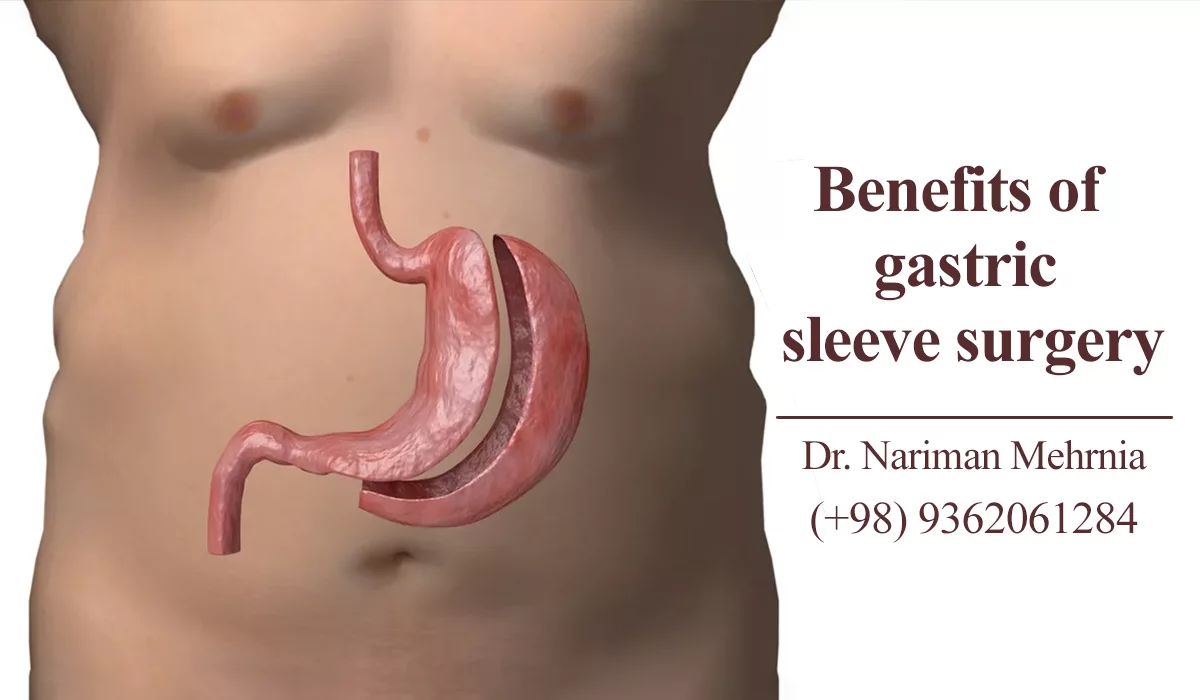
While various gastric reduction procedures exists—such as gastric banding, gastric balloons, and gastric bypass—Gastric Sleeve Surgery has gained immense popularity due to its lower complication rate and procedural simplicity. Ultimately, the most suitable surgical approach is determined by the specialist. The primary and notable benefits of the gastric sleeve include:
Significant and Sustainable Weight Loss
The paramount objective of a gastric sleeve is substantial weigh reduction achieved through diminished gastric capacity and heightened satiety. This surgery facilitates profound and enduring weight loss, allowing patients to maintain a reduced appetite and a healthy weight long-term.
Remission of Obesity-Related Comorbidities
Beyond affecting self-confidence and body image, morbid obesity is a precursor to numerous pathologies. Individuals with excessive weight often suffer from Type 2 diabetes, hypertension, cardiovascular diseases, and joint disorders. Even in younger patients yet to manifest these symptoms, the risk remains significantly higher. Weight and size reduction can lead to the clinical improvement or total remission of these conditions and serves as a potent preventive measure for healthy individuals.
Enhanced Quality of Life and Self-Esteem
Post-operative weight loss significantly elevates one’s quality of life. Patients report increased self-confidence, greater mobility, and improved vitality, sleep quality, and overall psychological well-being. Furthermore, those suffering from weight-induced joint pain experience a more active, pain-free lifestyle.
Reduction in Malignancy Risks
By resecting a large portion of the stomach, the risk of developing certain cancers—including gastric, colorectal, breast, and endometrial cancers—is reduced. While cancer etiology is complex and multi-factorial, statistical evidence suggests a lower risk profile in patients who have undergone this procedure.
Longevity and Stability of Results
Following surgery, patients require fewer calories and experience faster satiety permanently. Consequently, weight loss remains stable for the majority of patients, provided they adhere to an appropriate post-operative nutritional regimen.
Increased Life Expectancy
Studies indicate that by resolving obesity complications and facilitating effective weight management, gastric sleeve surgery significantly increases life expectancy and “healthspan” in morbidly obese individuals.
Minimally Invasive Nature
As previously detailed, the laparoscopic approach is minimally invasive. Small incisions and specialized instrumentation result in reduced post-operative pain, fewer complications, and a swifter recovery period.
Impact of Gastric Sleeve on Chronic Conditions
Sleeve gastrectomy is a cornerstone of bariatric surgery, specifically indicated for those with serious obesity-related illnesses or those at high risk due to their Body Mass Index (BMI). Remarkably, this procedure can effectively manage or fully resolve several conditions:
- Type 2 Diabetes and Insulin Resistance: Enhances glycemic control and significantly reduces insulin resistance.
- Hypertension and Cardiovascular Health: Weight reduction typically leads to lower blood pressure and improved cardiovascular function.
- Hyperlipidemia: Results in decreased cholesterol and triglyceride levels, improving peripheral vascular health.
- Non-Alcoholic Fatty Liver Disease (NAFLD): Aids in reducing hepatic fat accumulation and inflammation, improving non-alcoholic steatohepatitis (NASH).
- Obesity Hypoventilation Syndrome and Obstructive Sleep Apnea: Dramatically improves respiratory function and sleep quality.
- Joint Pain and Osteoarthritis: Reducing the mechanical load on joints alleviates pain and mitigates the symptoms of osteoarthritis.
Gastric Sleeve Surgery with Dr. Nariman Mehrnia
- Effective Weight Management: Gastric sleeve surgery in Tehran typically results in the loss of 60% to 70% of excess body weight. This transformation enhances both physical functionality and psychological resilience, including a marked increase in self-assurance.
- Comprehensive Clinical Improvement: This procedure offers a definitive path toward managing chronic diseases such as Type 2 diabetes, hypertension, dyslipidemia, cardiovascular ailments, and respiratory issues like sleep apnea.
Ideal Candidates for Gastric Sleeve Surgery
Gastric sleeve surgery is typically recommended for individuals who have been unable to achieve satisfactory results through non-surgical weight loss interventions. Ideal candidates for this procedure include:
- Individuals with Morbid Obesity: Those with a Body Mass Index (BMI) of 35 or higher (Class II Obesity and above), or a BMI over 30 accompanied by chronic obesity-related comorbidities such as Type 2 diabetes, hypertension, or obstructive sleep apnea (Class I Obesity with underlying conditions).
- Volume Eaters: Individuals who tend to consume large quantities of food in a single sitting.
- Patients with Severe Obesity-Related Health Risks: Those whose health is significantly compromised due to their weight.
Contraindications: Who Should Avoid Gastric Sleeve Surgery?
The procedure may not be suitable for individuals falling into the following categories:
- Severe Symptomatic GERD: Patients with chronic acid reflux who require long-term antacid therapy or those whose reflux has been clinically confirmed through diagnostic testing.
- High-Risk Medical Conditions: Individuals whose cardiovascular or pulmonary health precludes them from undergoing surgery or general anesthesia.
- Substance Dependency: Those with active alcohol or drug addiction.
- Uncontrolled Psychiatric Disorders: Individuals suffering from severe, unmanaged mental health conditions.
- Pregnancy: Expectant mothers, due to the necessity of adequate nutrient absorption for fetal development.
- Non-compliance: Individuals unable or unwilling to adhere to post-operative dietary restrictions, exercise regimens, and essential follow-up appointments.
- Severe Mobility Impairments: Those with restricted mobility that prevents post-operative physical activity, which increases the risk of Deep Vein Thrombosis (DVT) and pulmonary embolism.
- Low BMI: Gastric sleeve surgery is reserved for those with a high Body Mass Index. It is not indicated for minor weight loss; individuals within a normal BMI range should seek weight management through lifestyle and dietary modifications.
- Psychological Eating Disorders: Conditions such as Bulimia Nervosa or Anorexia Nervosa require psychological intervention rather than surgical solutions.
- Coagulopathy: Individuals with severe blood clotting or coagulation disorders.
- Advanced Liver Disease: Patients with end-stage liver conditions, such as cirrhosis, are generally ineligible for this surgery.
- Unrealistic Expectations: Success requires a strong will, patience, and a commitment to radical lifestyle changes. Patients must be fully aware of the challenges and responsibilities that follow the procedure.
Furthermore, individuals with active infections, large hiatal hernias, or swallowing disorders may also be deemed ineligible for the surgery.
Complications of Gastric Sleeve Surgery
While Sleeve Gastrectomy is a premier choice for obesity treatment, like any surgical intervention, it may entail certain complications. These effects vary significantly among individuals; some may experience minimal symptoms, while others may experience none.
Short-Term Complications (Post-Operative Phase)
- Pain: It is natural to experience localized abdominal discomfort. This is typically manageable with analgesics. However, excruciating or intolerable pain warrants immediate surgical consultation.
- Nausea and Vomiting: Given the structural alterations to the digestive tract, nausea and occasional vomiting are common during the initial recovery days.
- Thromboembolism: Though rare, blood clots may form in the lungs or legs. This is a serious condition requiring urgent medical attention.
- Surgical Site Infection: Infections at the incision sites are possible but are generally treatable with antibiotics.
- Staple Line Leaks: In rare instances, gastric contents may leak into the abdominal cavity. This is a medical emergency requiring immediate intervention.
- Long-Term Complications (Maintenance Phase)
- Gastroesophageal Reflux Disease (GERD): Acid reflux is a common side effect, often managed with prescribed acid-suppressing medications.
- Nutritional Deficiencies: Reduced intake and absorption may lead to vitamin and mineral deficiencies. Regular diagnostic testing and lifelong supplementation are mandatory.
- Skin Laxity: Rapid weight loss may result in redundant or sagging skin. Factors such as age, genetics, and initial weight play a role, though targeted exercise can mitigate this.
- Bowel Irregularity: Changes in digestive volume and fiber intake may cause temporary constipation or diarrhea.
Comparative Analysis: Sleeve vs. Bypass and Balloon
Gastric Sleeve vs. Gastric Bypass
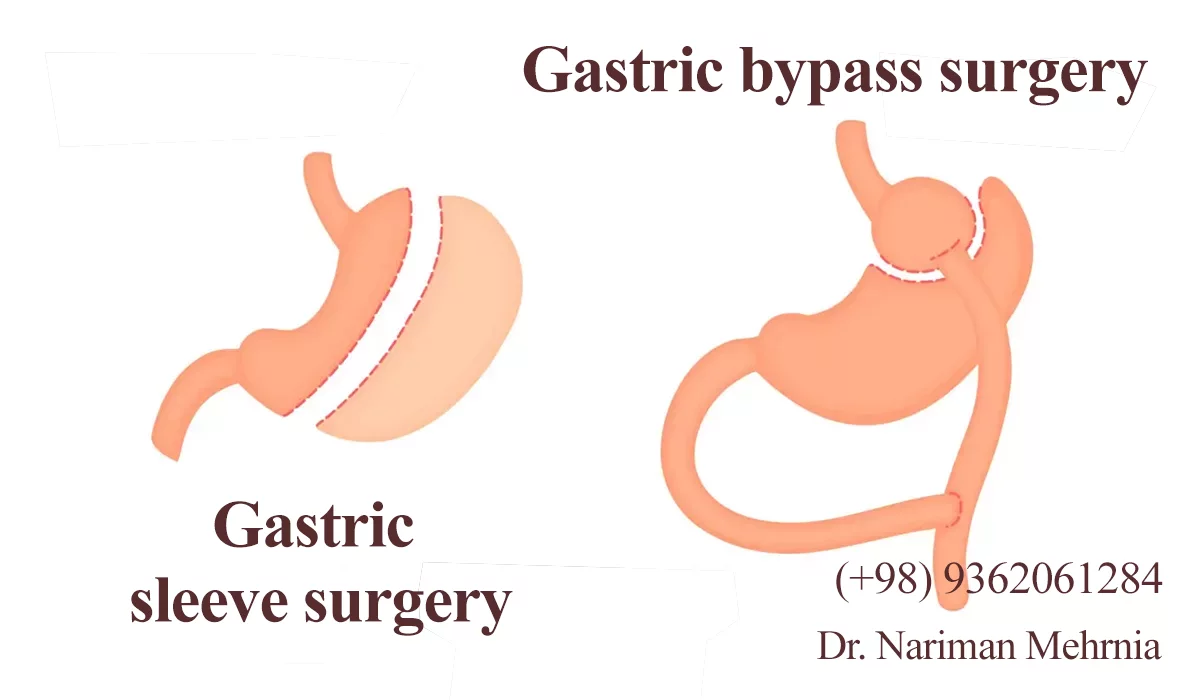
Sleeve surgery involves removing a portion of the stomach to create a tube, whereas Bypass creates a small pouch and reroutes the small intestine.
| Feature | Gastric Sleeve | Gastric Bypass |
| Weight Loss Potential | Moderate to High | High |
| Surgical Complexity | Lower | Higher |
| Recovery Period | Shorter | Longer |
| Complication Risk | Lower | Higher |
| Nutritional Deficiency Risk | Lower | Higher |
| Weight Regain Probability | Higher | Lower |
Gastric Sleeve vs. Gastric Balloon
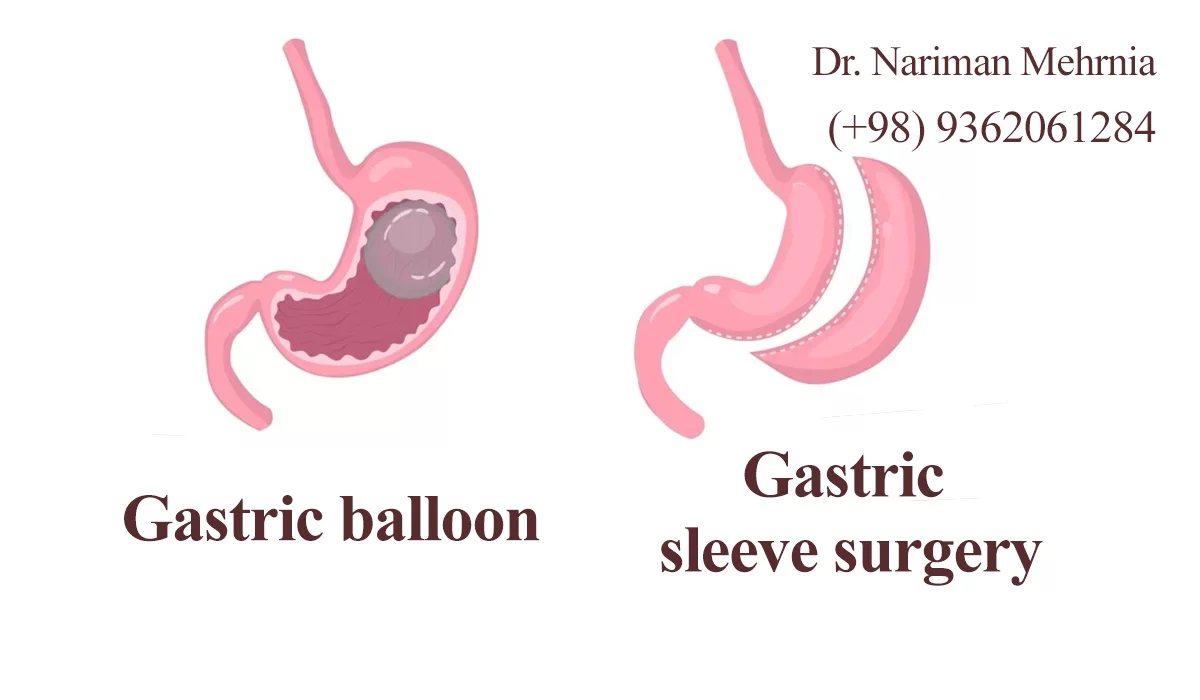
The balloon is a non-surgical, temporary weight loss aid, whereas the sleeve is a permanent surgical alteration.
| Feature | Gastric Sleeve | Gastric Balloon |
| Methodology | Surgical (Invasive) | Non-Surgical |
| Duration of Effect | Permanent | Temporary (6-12 months) |
| Weight Loss Volume | Higher | Lower |
| Reversibility | No | Yes |
Pre-Operative Preparation
Diagnostic Testing
- Complete Blood Count (CBC) & Panels: To evaluate hemoglobin, glucose, and hepatic/renal functions.
- Electrocardiogram (ECG): To assess cardiovascular health and anesthetic fitness.
- Chest X-Ray: To ensure pulmonary stability.
- Endoscopy: For direct visualization of the gastric mucosa and to rule out pre-existing pathologies.
Lifestyle & Consultation
Patients are advised to adopt a balanced diet, engage in regular exercise, and cease smoking and alcohol consumption weeks before surgery. Psychological readiness and a thorough review of medical history with the surgeon are essential.
Post-Operative Nutrition & Lifestyle
Success in bariatric surgery is predicated on dietary adherence. The goal is to prevent malnutrition and ensure sustainable weight maintenance.
- Phase 1 (Week 1): Clear liquids (water, pulp-free juice, strained broth).
- Phase 2 (Week 2): Full liquids (thicker soups).
- Phase 3 (Week 3): Pureed foods.
- Phase 4 (Week 4): Soft solids.
- Long-Term: Gradual reintroduction of solids with an emphasis on high protein and high fiber, while strictly avoiding carbonated, sugary, and fried foods.
Lifestyle Integration
Gastric sleeve is not merely a cosmetic procedure; it is a metabolic transformation. Success requires:
- Physical Activity: Gradual transition to regular walking and, eventually, resistance training to preserve muscle mass.
- Habitual Changes: Adequate sleep, thorough mastication (chewing), and proper hydration.
- Medical Follow-ups: Periodic blood work and clinical evaluations to monitor progress and nutrient levels.
Gastric Sleeve and Pregnancy
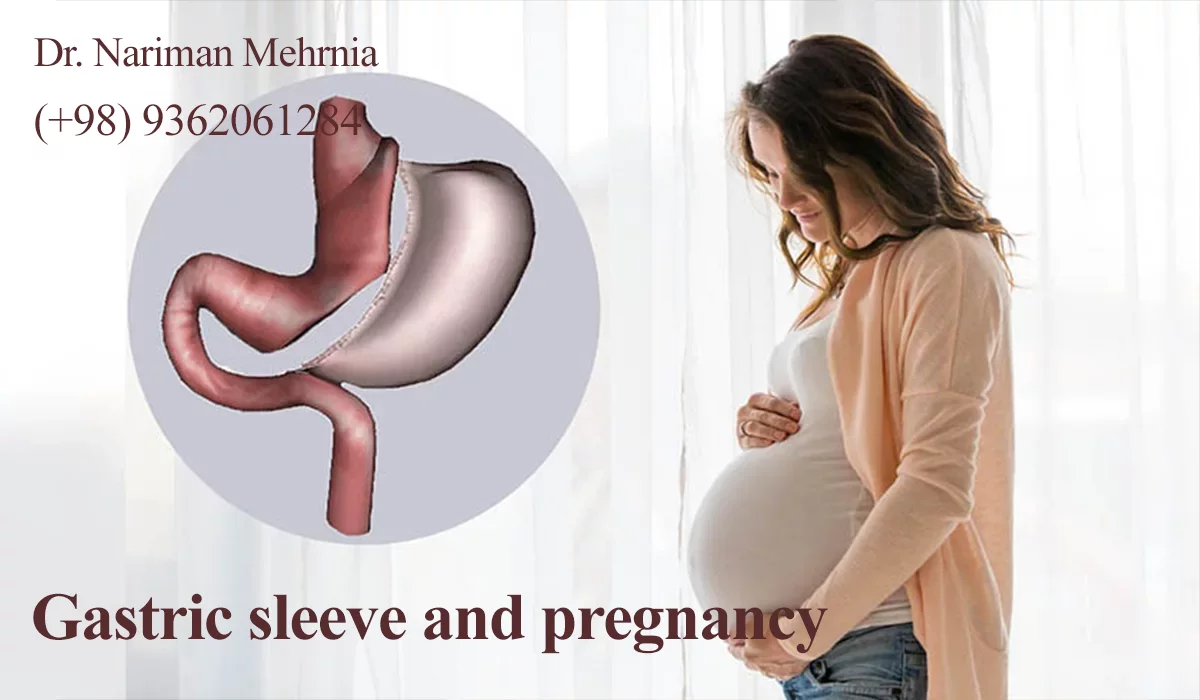
Pregnancy following sleeve gastrectomy is a significant consideration for many women. A primary concern is whether a natural pregnancy is feasible and if complications might arise.
Benefits of Weight Loss for Pregnancy
- Reduced Obesity-Related Risks: Significant weight loss decreases the incidence of gestational diabetes, hypertension, excessive joint pressure, and cardiovascular strain.
- Increased Probability of Natural Childbirth: Achieving a healthier weight and improved physical condition increases the likelihood of a safe, vaginal delivery.
- Mitigation of Complications: The risks of miscarriage, preterm labor, premature birth, and fetal macrosomia (excessive birth weight) are notably reduced following bariatric surgery.
Essential Considerations
It is imperative to wait for a period of stabilization—typically at least 12 months post-surgery—before conceiving. Furthermore, due to the metabolic changes in the digestive system, rigorous nutritional monitoring and regular prenatal follow-ups are essential to ensure the health of both mother and fetus.
Potential Risks
While the benefits are substantial, potential risks include gestational constipation, fetal growth restriction (low birth weight), and maternal/fetal malnutrition if dietary guidelines and supplements are neglected.
Long-term effects of gastric sleeve on body metabolism
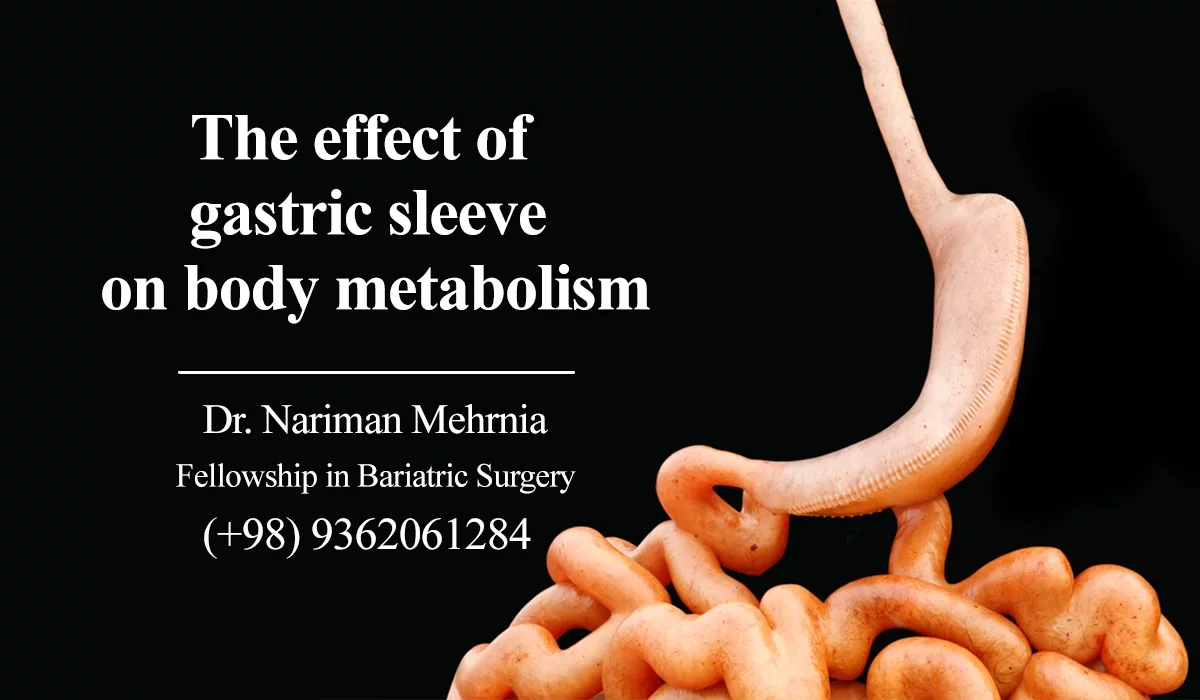
The effect of gastric sleeve surgery is not only in the form of a temporary decrease in appetite, but also affects some hormones and body metabolism. Including
- Reduction in the production of the hormone ghrelin: With gastric sleeve surgery, the hormone ghrelin, which stimulates the feeling of hunger, is reduced, so the person feels more full.
- Increase in the hormones PYY and GLP-1: These hormones reduce appetite. With gastric sleeve surgery, the production of these hormones is also increased.
- Increase in basal metabolism: Research shows that with gastric sleeve surgery, the body’s basal metabolism also increases, meaning that the body uses more calories for its daily activities.
- Changes in the gut microbiome: Sleeve gastrectomy can also affect intestinal bacteria. These changes may also affect the absorption of nutrients in the intestine.
- These changes in the body’s metabolism also have other long-term benefits, such as sustainable weight loss, improved blood sugar, reduced blood cholesterol, reduced blood pressure, and generally improved quality of life and health.
Pediatric and Adolescent Bariatric Surgery
While typically reserved for adults, sleeve gastrectomy is considered a final option for adolescents struggling with morbid obesity and its comorbidities (e.g., Type 2 diabetes, hypertension) when lifestyle interventions have failed. Eligibility depends on a significantly high BMI, the presence of serious health risks, and the psychological readiness of both the adolescent and their family.
Cost of Gastric Sleeve Surgery
The cost of gastric sleeve surgery is multi-factorial and varies based on the hospital, the surgeon’s expertise, surgical technology, insurance coverage, and regional factors. In the current year (1403 SH), the estimated cost ranges between 75 to 120 million Tomans. This estimate does not include ancillary costs such as pre-operative diagnostics, post-operative medications, and long-term nutritional supplements.
Post-Operative Care: Recommendations by Dr. Mehrnia (Tehran)
Patients are typically discharged one day after surgery. Dr. Mehrnia’s essential post-operative protocols include:
- Ambulation & Embolism Prevention: Regular walking and the use of compression stockings are mandatory to minimize the risk of pulmonary embolism. Anticoagulants must be taken exactly as prescribed.
- Medication: Anti-acid tablets every 12 hours and non-narcotic analgesics (such as Diclofenac suppositories) every 8 hours for pain management.
- Immediate Diet: The first week is restricted to clear liquids (approx. 3.5 to 4 liters daily, including water, clear broth, low-fat/lactose-free milk, and protein shakes). Solids, purees, and rice are strictly prohibited during this stage.
- Hygiene & Follow-up: Patients may shower the day after surgery and remove dressings. The first follow-up occurs one week later for suture removal.
- Warning Signs: Immediate emergency consultation is required if the patient experiences severe shortness of breath, acute abdominal pain, persistent vomiting, or a heart rate exceeding 100 BPM.
Frequently Asked Questions (FAQ)
Who are the suitable candidates for gastric sleeve surgery?
People who have a body mass index (BMI) above normal (usually above 40), or individuals with a BMI above 35 along with obesity-related diseases such as high blood pressure and type 2 diabetes.
What are the benefits of gastric sleeve surgery?
Significant weight loss, improvement in overall health, increased self-confidence, permanency of the procedure, and improved quality of life are the benefits of gastric sleeve surgery.
Does gastric sleeve surgery have any side effects?
Like any other surgical procedure, gastric sleeve surgery can come with side effects. These include the risk of infection, blood clotting, leakage from the stomach connection site, and deficiencies in vitamins and minerals.
Is weight loss after gastric sleeve surgery permanent?
Yes. Due to the reduction in stomach size, quicker satiety, and increased basal metabolism, in most cases, the surgery is permanent.
Is it possible to become pregnant after gastric sleeve surgery?
Yes. After a sufficient period has passed since the surgery and weight stabilization is achieved, it is possible to attempt pregnancy.
Is gastric sleeve surgery risky for pregnancy?
Typically, there are no serious risks, but fetal weight loss and constipation during pregnancy can be side effects. However, gastric sleeve surgery also has benefits for pregnancy, including a reduced risk of heart disease, gestational diabetes, and health problems.
How long after gastric sleeve surgery can I return to normal activities?
Recovery time varies among individuals. It is best to gradually return to work and normal activities with the guidance of a doctor. Typically, after a few weeks, light activities can be resumed, and after a few months, more strenuous activities can be resumed.
Does insurance cover the cost of gastric sleeve surgery?
It depends on the type of insurance and the conditions of the agreement between the hospital and the insurance company. Some insurance policies may cover part of the cost.
Is there pain after the surgery?
Yes, there may be pain, but its intensity and duration vary from person to person. Necessary painkillers will be prescribed to manage the pain.
What is the best time to have gastric sleeve surgery?
When an individual has made efforts to lose weight through other methods without success. The person should also be mentally prepared for the surgery and be able to change their lifestyle after the procedure.
Can I eat anything after surgery?
In the first few weeks following surgery, it is necessary to strictly follow the prescribed diet. Gradually, regular meals can be added.